
 Introduction
“Świadectwo” (translated: Testimony) is a biographical dramatized documentary by director Paweł Pitera about the life of pope John Paul II (Karol Wojtyła, Poland 1920-2005) for which Vangelis contributed several compositions. The story is based on the best-selling book “Una Vita Con Karol“, the memoirs of Polish cardinal Stanisław Dziwisz who served Karol Wojtyła for almost 40 years.
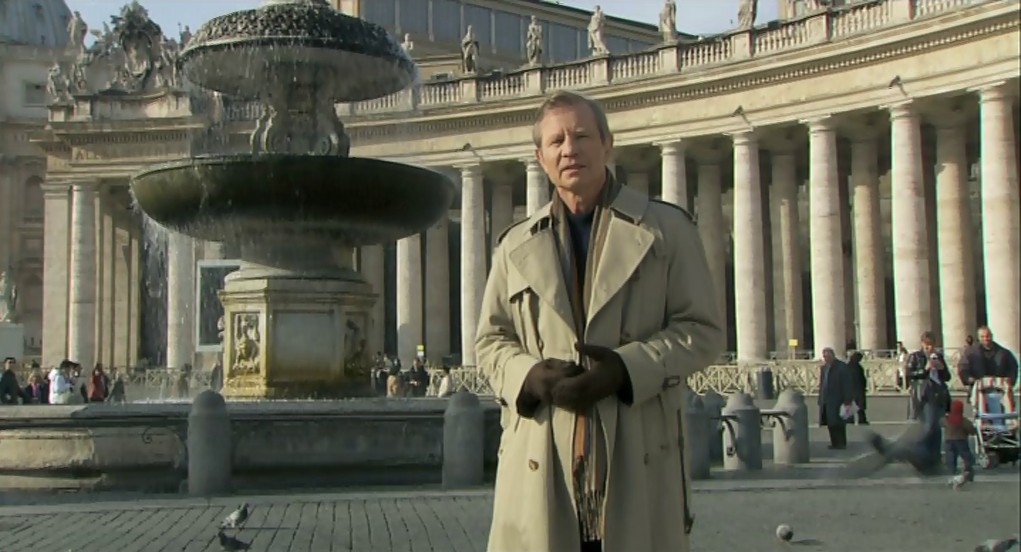
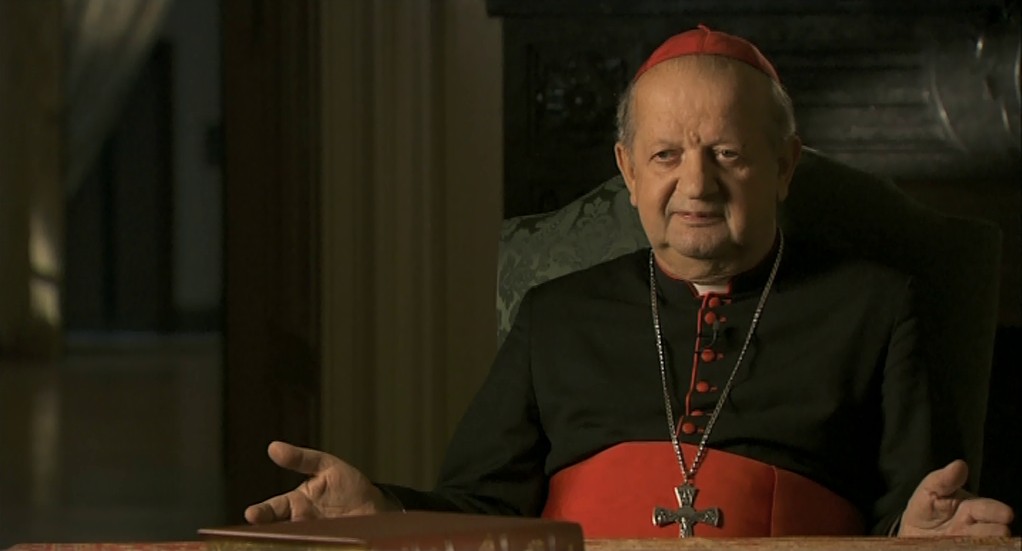
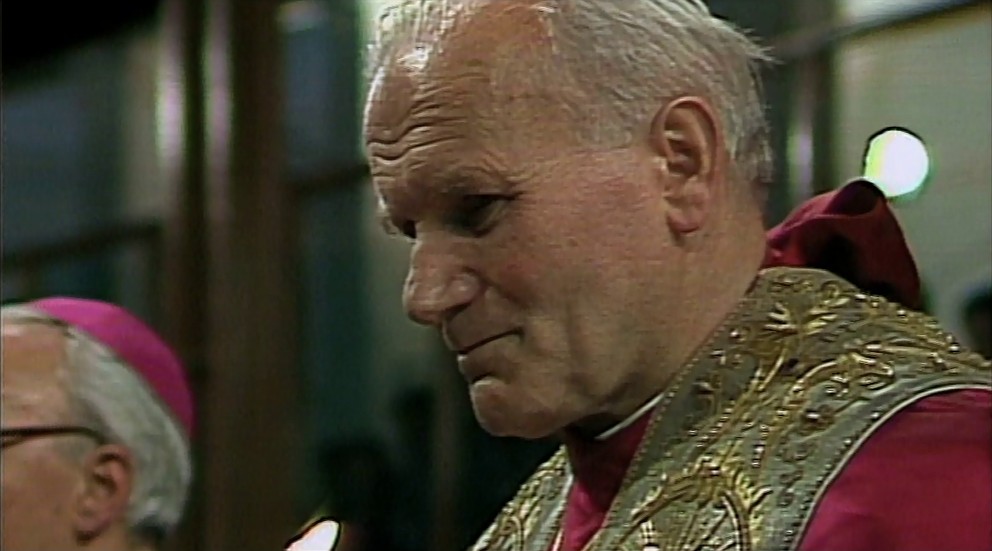
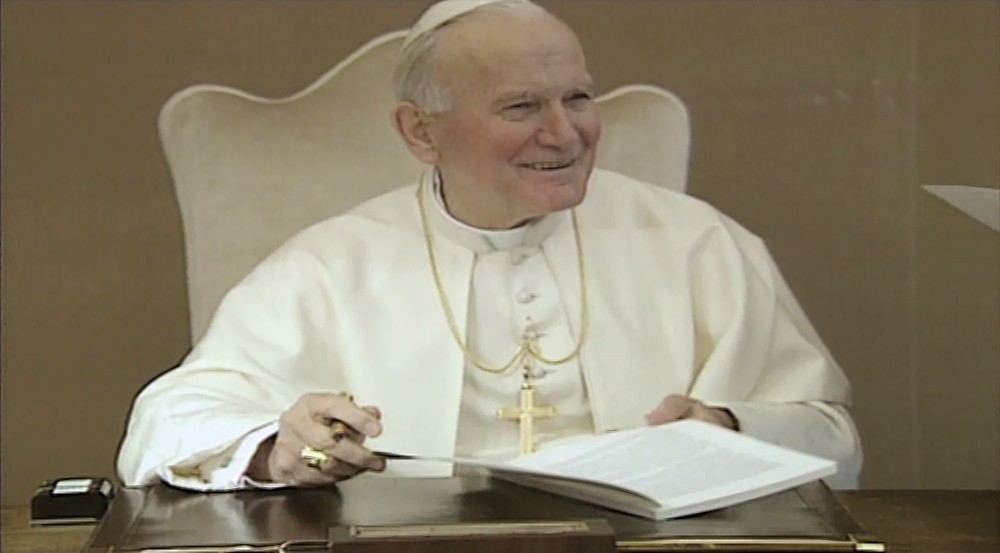
The story of pope John Paul II is told by British actor Michael York, whose narration is visualised by acted reconstructions of scenes from Wojtyła’s life, blended with historical footage from the Vatican archives and interview clips with cardinal Stanisław Dziwisz. The film premiered at the Vatican on the 16th of October 2008, exactly 30 years after his election as pope, with a general release in Polish cinemas following the next day. Later the film was edited for television and broadcast as an extended series in 3 episodes of about 50 minutes each.
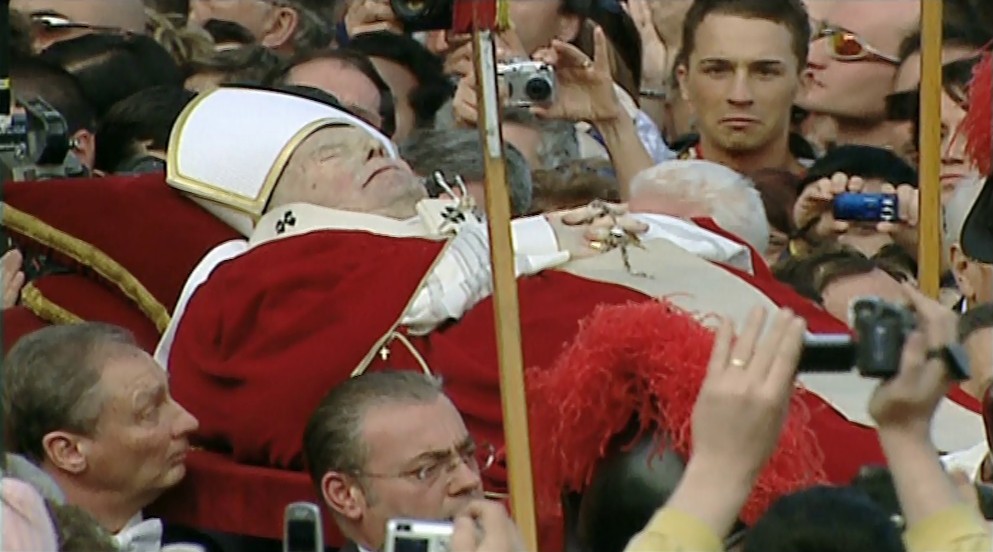
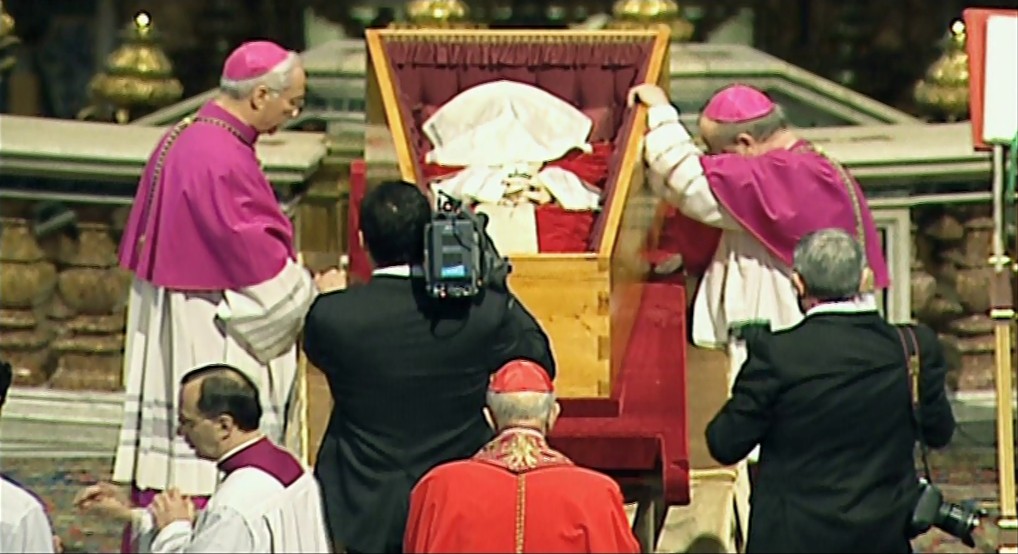
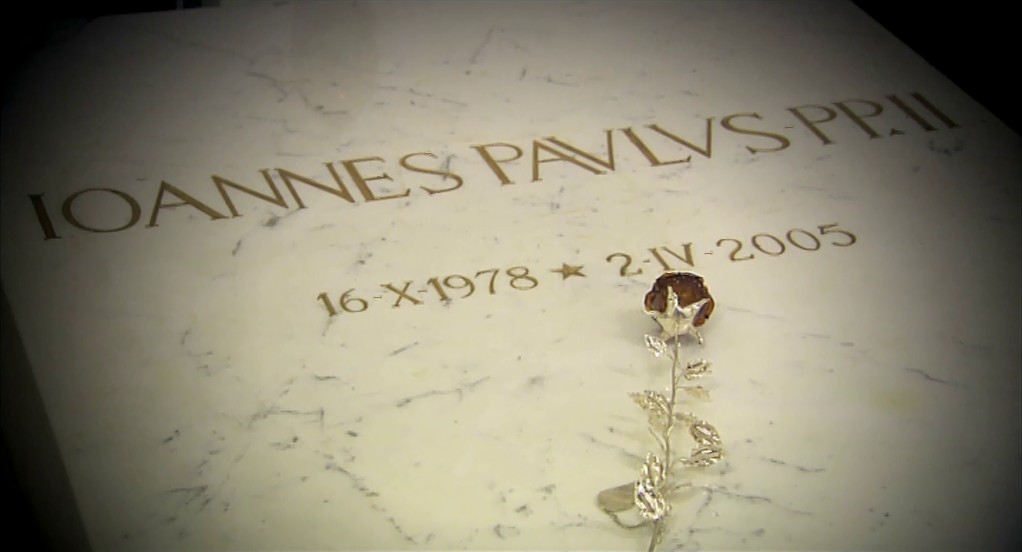
The music of “Świadectwo” was provided by two composers, Robert Janson and Vangelis. While Vangelis’ music is heard at both the opening and closing of the film over images of pope John Paul II’s funeral, Janson’s music underscores the rest of the film. Vangelis composed three themes: ‘Humanum Est’ is a slow and solemn theme with vocals heard during the opening of the film, while ‘Sanctus’ and ‘In Aeternitatem’ play during the final scene and end titles. ‘Sanctus’ is actually a newly arranged version of a theme that Vangelis composed for the film “Alexander” (2004), which was used in the film but not included on the original soundtrack album. A soundtrack album of “Świadectwo” was released and includes both Vangelis’ and Janson’s music.
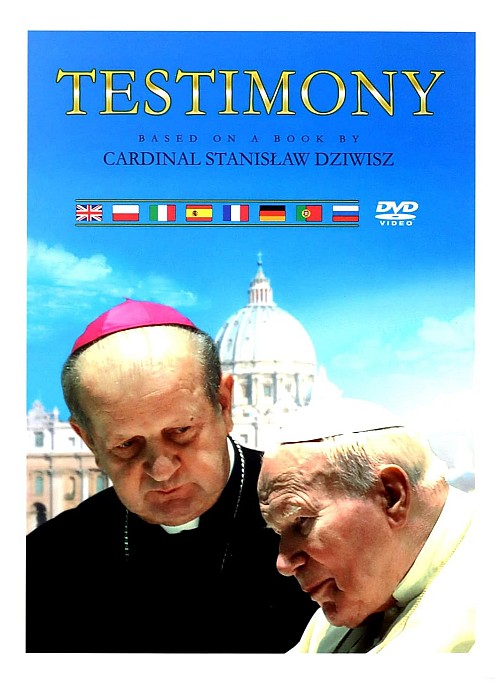
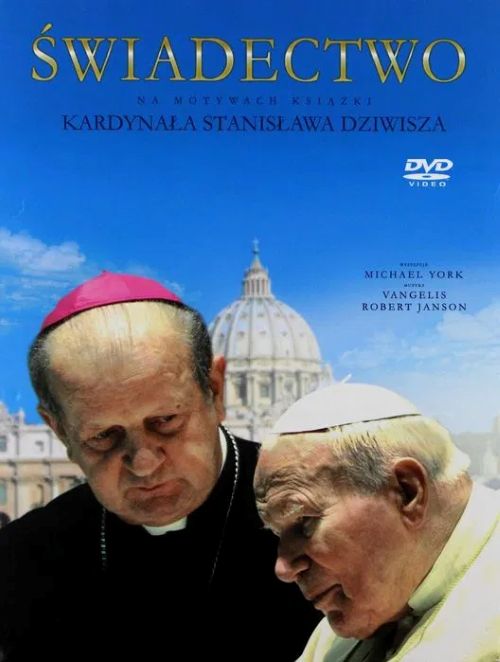
“Świadectwo” was first released on DVD in Poland on the 10th of December 2008 as a luxurious edition featuring a variety of bonus material. Housed in a hardcover booklet with 34 pages of information (in Polish) about the pope, the film and its makers, including a section about Vangelis, the DVD includes a ‘Making Of‘ featurette, film trailers, footage from the Vatican premiere and an edit of Vangelis’ closing music of the film. Unfortunately this edition is dubbed in Polish without any subtitles, so if in need of a different language edition better find one of the other DVD’s available in various countries (see below).
 Details and credits
- Title: Świadectwo (Testimony)
- Year: 2008
- Country: Poland
- Length: 98 / 150 minutes
- Directed by Paweł Pitera.
- Assistant Director: Lucyna Erdmanis
- Screenplay by Gian Franco Svidercoschi, Paweł Pitera and father Paweł Ptasznik,
- Based on the book “Una Vita Con Karol“ by cardinal Stanisław Dziwisz.
- Music by Vangelis and Robert Janson.
- Narrated by Michael York.
- Sound: Wojciech Mrozek
- Director Of Photography: Janusz Tatarkiewicz
- Edited by: Cezary Grzesiuk
- Set Design: Rafał Waltenberger and Maria Duffek.
- Costume Design: Maria Duffek and Anna Weber.
- Make-Up: Katarzyna Warchoł.
- Production Design: Katarzyna Lewko and Artur Włodarkiewicz.
- Produced by Przemysław Häuser
- Executive Producer: Krzysztof Masztalerz
Media
DVD
- 2008 Swiadectwo (PZU Orlen 248614) Poland (with Polish audio, no subtitles. Bonus material includes a ‘Making Of’ documentary, trailers, footage from the Vatican premiere and Vangelis’ music for the end of the film)
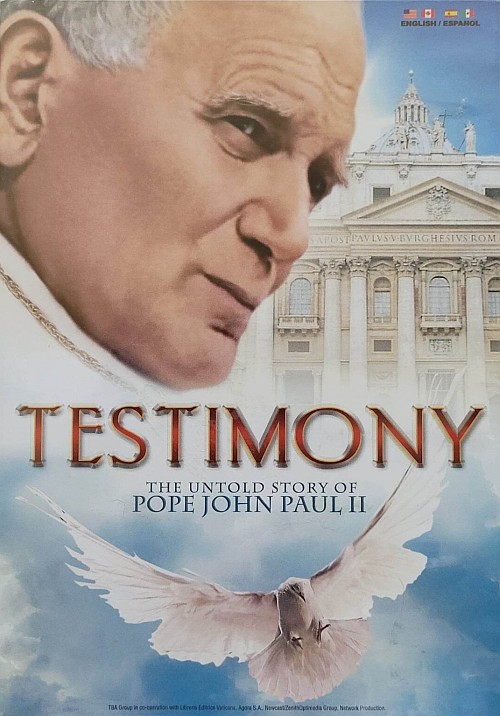
- 2009 Testimony (TBA Group) US (with English and Spanish audio)
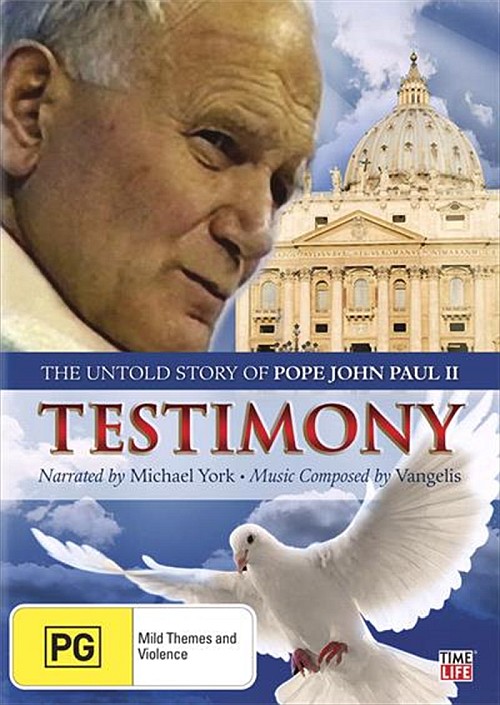
- 2010 Testimony (Time Life 0758558) Australia (with English audio, no subtitles)
- 2010 Testimony (Indies 206846) The Netherlands (with Polish and English audio, includes Dutch subtitles and a ‘Making Of’ documentary)
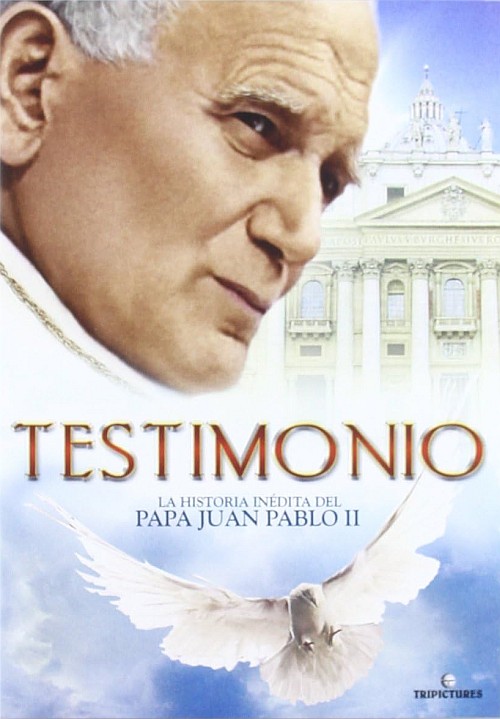
- 2010 Testimonio (Tripictures) Spain (with Spanish and English audio, includes Spanish subtitles and a ‘Making Of’ documentary)
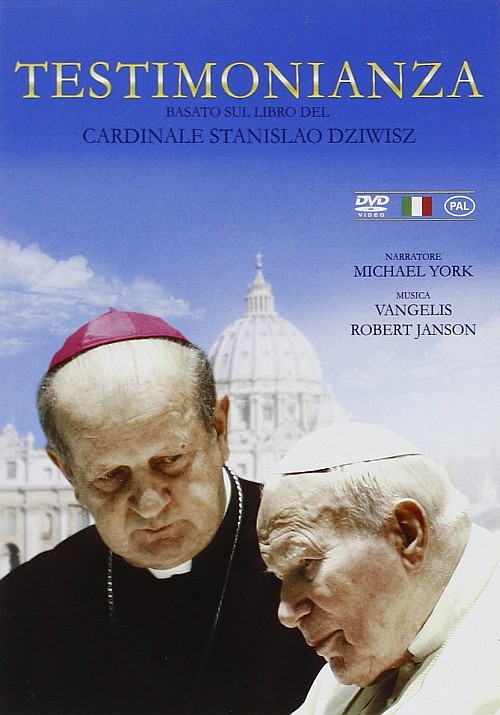
- 2010 Testimonianza (TBA Grou) Italy (with Italian audio)
- 2010 Testimony (9770860908426) Vatican (with Polish, English, French, German, Italian, Portuguese, Russian and Spanish audio ánd subtitles)
 Synopsis
The narrative begins by exploring Karol Wojtyła’s early life in Poland. Through dramatized reenactments, the film depicts his youth in Wadowice, his passion for theater and sports, and the profound tragedies that shaped his early years, including the loss of his mother, brother, and father. The plot highlights his survival during the Nazi occupation of Poland in World War II, his secret studies for the priesthood, and his rapid rise through the Catholic Church hierarchy in Kraków. The film emphasizes how these formative experiences behind the Iron Curtain forged his resilience, philosophy, and unique ability to connect with ordinary people. The core of the film's plot shifts to Rome following Wojtyła’s historic election as Pope in 1978. As his closest confidant, Cardinal Dziwisz provides a rare, behind-the-scenes look at the daily routine and private personality of John Paul II. The plot moves away from stiff, official Vatican protocols to reveal the human side of the Pontiff. It showcases his warmth, his sense of humor, his continuous habits of prayer, and his fondness for taking secret strolls or hiking trips away from the watchful eyes of the Swiss Guard. The film meticulously traces the major global events of John Paul II’s 27-year pontificate. It covers his extensive pastoral travels across the globe, his role in the fall of Communism in Eastern Europe, and his efforts toward interfaith dialogue. A central and dramatic climax in the narrative is the 1981 assassination attempt by Mehmet Ali Ağca in St. Peter's Square. Cardinal Dziwisz recounts the terrifying moments inside the moving popemobile, the frantic rush to the hospital, and the Pope’s subsequent recovery, which the Pontiff attributed to the intervention of Our Lady of Fátima. In a notable revelation, the film also addresses a lesser-known second attempt on the Pope's life in 1982 at the Sanctuary of Fátima in Portugal, where a conservative priest tried to stab him with a bayonet, an incident that was kept quiet for years. The final segment of the plot focuses on the Pope’s later years, specifically his battle with Parkinson’s disease and his physical decline. Rather than shying away from his frailty, the film portrays his suffering as a powerful extension of his ministry. Dziwisz provides a touching account of the Pope’s final days in April 2005, describing the atmosphere inside the papal apartments while hundreds of thousands of young people gathered in the square below to say goodbye. The film concludes by reflecting on his lasting global legacy and his impact on both the Church and modern history.
Links
- Vangeliscollector.com
- IMDB.com
- Wikipedia.org (in Polish)
- Testimonyfilm.com (archived)
- Świadectwo film
Gallery
 |
 |
 |
 |
 |
 |
 |
 |
 |
 |
 |
 |