
 Introduction
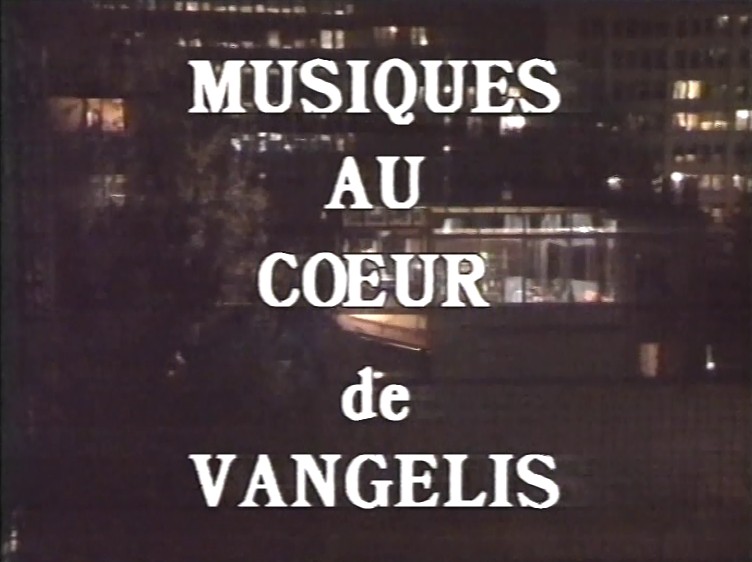
“Musiques Au Cœur” was a French television series exploring classical and contemporary music through reports and interviews with composers, performers, choreographers and dancers. The series, broadcast on Antenne 2 (later France 2) from 1982 to 2009, was presented by Eve Ruggieri.
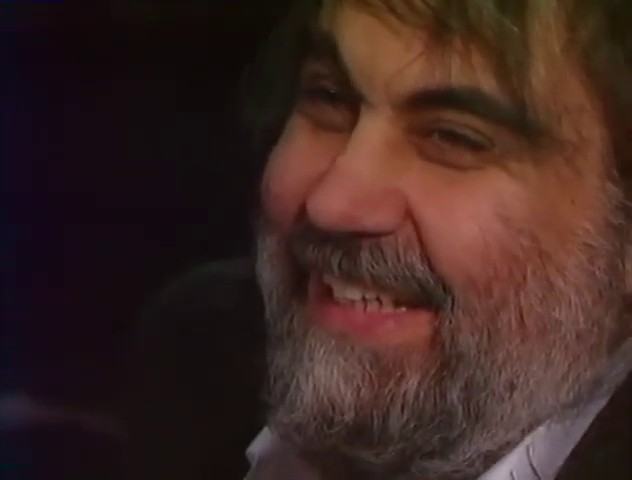
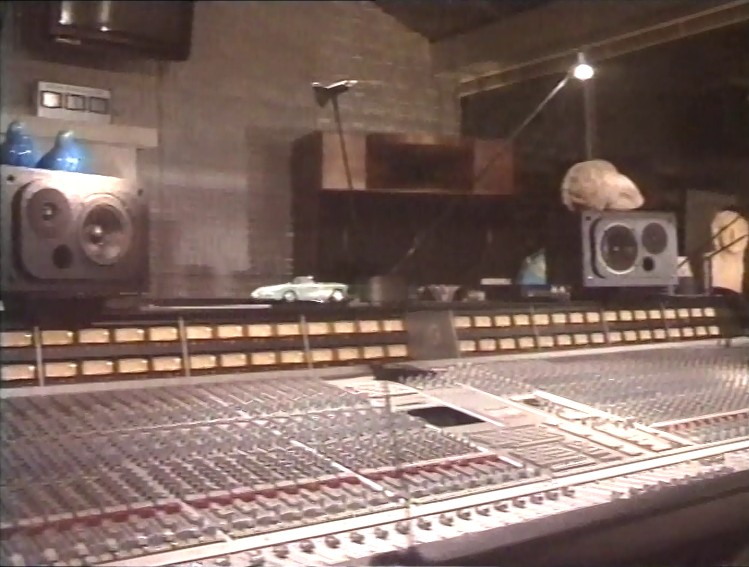
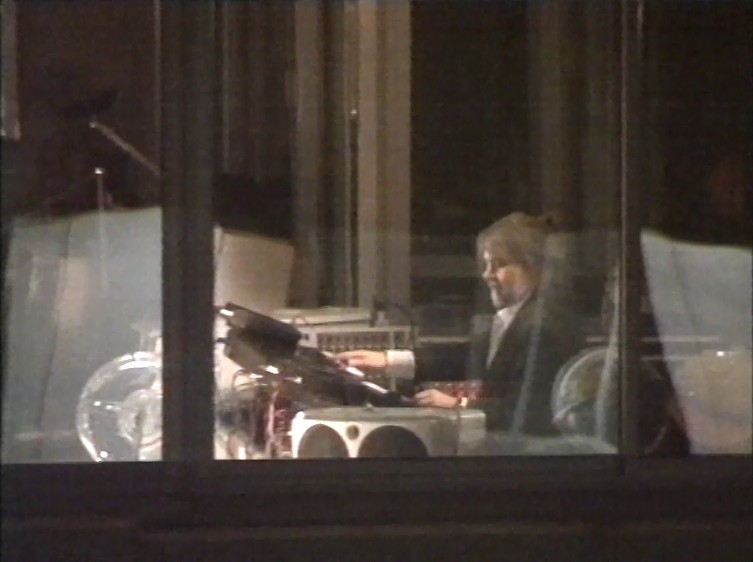
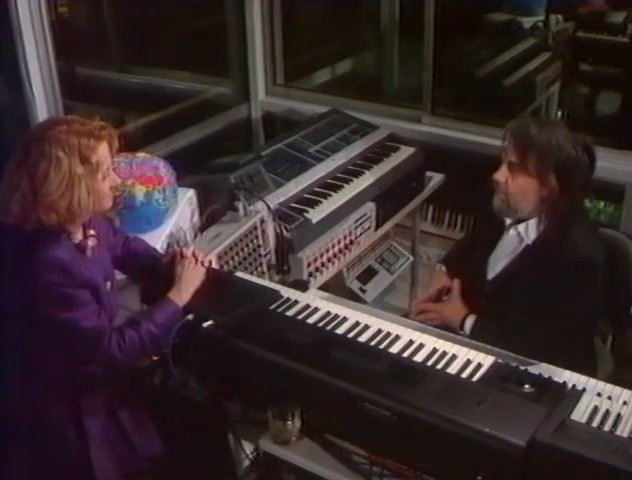
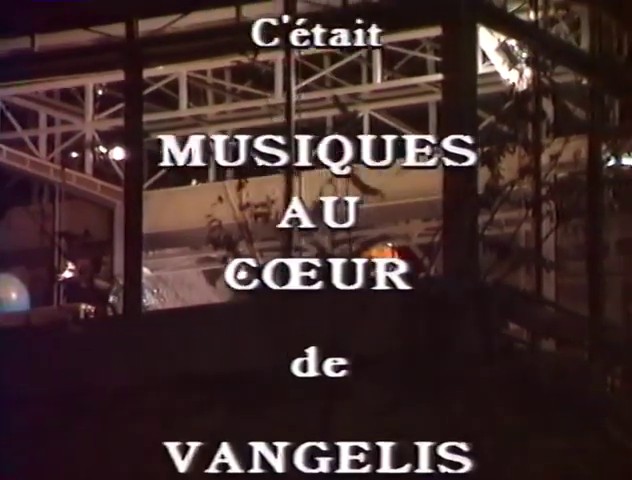
In the episode broadcast on the 25th of January 1993 Eve Ruggieri and her crew visit the Epsilon studio located in the Neuilly-sur-Seine area of Paris for an interview with Vangelis. The broadcast opens with a rare scene of Vangelis improvising music on his keyboard-setup in the glass-dome studio. The interview is interspersed with images from productions for which Vangelis composed music, such as the play “Medea” (1992) with Irene Papas, the mini-opera “Antigone” (1992) with Markella Hatziano and the Eureka concert in Rotterdam (1991), as well as scenes from the films “La Fête Sauvage” (1976), “Blade Runner” (1982), “1492 Conquest Of Paradise” (1992), “Bitter Moon” (1992) and “Chariots Of Fire” (1981).
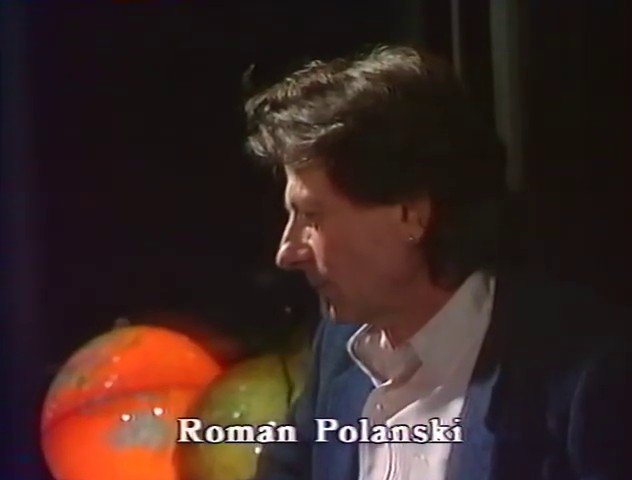
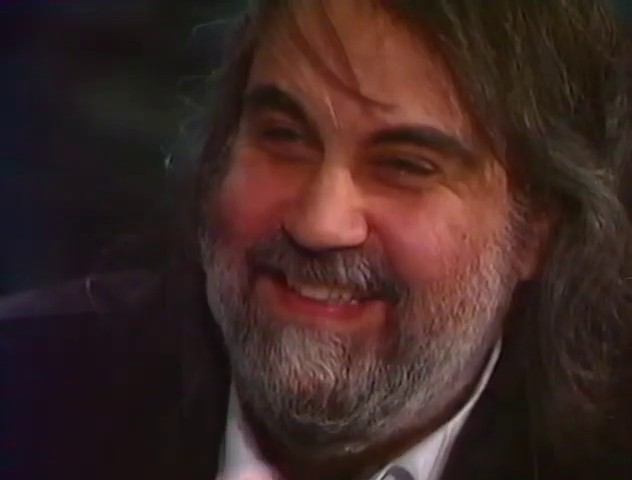
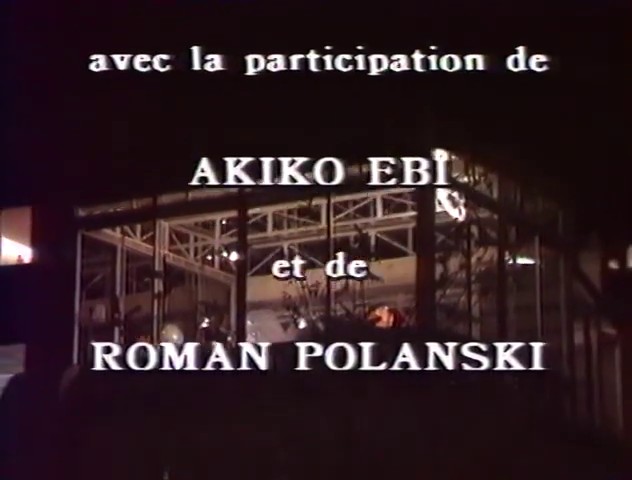
During the interview Vangelis shows his extraordinary talent for improvisation by playing a variety of music styles, sometimes at request but mostly to make a point and demonstrate a particular technique or sound. He talks about his early beginnings with music, the importance of spontaneity and expression, his instruments and composing for film. As special guests Roman Polanski, with whom Vangelis had just worked on Bitter Moon, and classical pianist Akiko Ebi appear in the studio. Near the end of the interview Vangelis concludes: ‘Paradise. Harmony and equilibrium! I just want to make music. When I make music, should I do evil when I can do good? One always has to ask that question. And it’s very dangerous when one becomes a star, when one has success and everything. Because at that moment one is doing another job. I mean, one uses music instead of serving it. So, it is a continuous fight in which one has to keep a perfect balance’.
 Details and credits
- Title: Musiques Au Cœur De Vangelis
- Year: 1993
- Country: France
- Length: 73 minutes
- Broadcast date: 25th of January 1993 at 00:30.
- Presented by Eve Ruggieri.
- Prepared by Berthe Barroux.
- Camera: François Labatte and Jean Nocera
- Lighting: François Mosnier and Claude Pavelec
- Sound: Philip Morand, Thierry Flamand and Arnaud Hudelot.
- Makeup: Sophie Allegatiere
- Workshop manager: Clotilde Beslon
- Production manager: Evelyne Ruggieri
- Documentalist: Sylvie Doubrere
- Artistic collaboration: Brice Chappey
- Editing: Philipe Simon
- Mixing: Thierry Moizan
- Director of photography: Yvan Favreau and Philippe Bataillon.
- Production assistants: Philippe Cheyssial and Michel Laigle.
- Script: Dominique Stoloff
- Produced by Pierre Desfons.
Media
Unfortunately the television interview “Musiques Au Cœur De Vangelis” was never officially released, but recordings of the television broadcast exist and can be viewed online.
 Synopsis
Stage music, film scores, documentaries, ambitious or commissioned works, the ‘Ravel of electronic music’ has been immersed in the world of sound since early childhood. During the program's opening credits, a soaring and majestic piece, the kind the composer favors, unmistakably sets the tone. Vangelis is at the controls and is playing live in his large studio in Neuilly… The bells ring when Eve Ruggieri’s voice rises: ‘Once upon a time there was a man who was music. Alone, in his dome house, surrounded by buildings, he creates the sound universe of the year 2000. At the time when “Blade Runner”, the cult film of the 80s, directed by Ridley Scott with music composed by Vangelis, is being re-released, the man with gold records believes only in music simultaneously created, played, recorded. Surrounded by commonplace synthesizers, whose inner workings only he knows, he unleashes a complex and poetic world of emotions from his inspiration, showcasing a multitude of instruments with infinite sonic colors… A devil of a man who fiercely denounces a musical education that is all too often stifling and who, not without humor, exposes the jargon of the watchdogs of certain contemporary music who painstakingly craft, in secret, purely cerebral music. Vangelis is inspiration in its rawest form, the candid wonder of childhood rediscovered.'
Links
Gallery
|
|
 |
 |
|
 |
 |
 |
 |
 |
 |